
The risk has a place in the meeting notes. Everyone agrees it matters. Someone has even highlighted the sentence. Nothing has changed for the people who will bear the consequences if it happens. Agreement can create a misleading sense of movement: once a concern has been acknowledged, leaders may behave as though it has been addressed. The next meeting repeats the warning with slightly more urgency. A responsible plan must cross the distance between recognizing danger and preparing people to...
Blog

A reassuring plan can become a way of hiding the problem it is supposed to address. The meeting moves quickly toward solutions, the language becomes constructive, and nobody has to say how serious the situation has become. Everyone leaves with assignments. The people who must carry those assignments still do not know what they are being asked to protect, what has already been lost, or which assumption has failed. Encouragement has replaced an account of reality. Christian leaders should...

The room has already decided that you are the person with the answer. Someone introduces your experience, names the problem, and turns toward you. The expectation is flattering until you recognize the distance between what you know and what everyone now assumes you can do. You could protect the introduction by sounding more certain than the evidence allows. You could also retreat behind a disclaimer and leave the responsibility untouched. Neither response tells the whole truth. Humility...

A door can open quickly after staying closed for years. The speed of the opening can make the waiting disappear from the way people tell the story. Someone receives a call, enters a room, and suddenly becomes visible to people who had never considered them. The account begins with the invitation and leaves out the long stretch when no invitation came. Genesis 41 refuses that shortcut. Before Pharaoh sends for Joseph, the narrator names the time that has passed. The next movement in The Long...

You can make a clear request and still be forgotten. The facts can be accurate, the need legitimate, and the person receiving the request genuinely able to help. None of that guarantees a response. This is where waiting becomes difficult for a leader who has learned to take responsibility. You have done the part available to you, but the next decision belongs to someone else. Silence leaves room for a damaging conclusion: perhaps asking was unfaithful, perhaps you did not deserve help,...
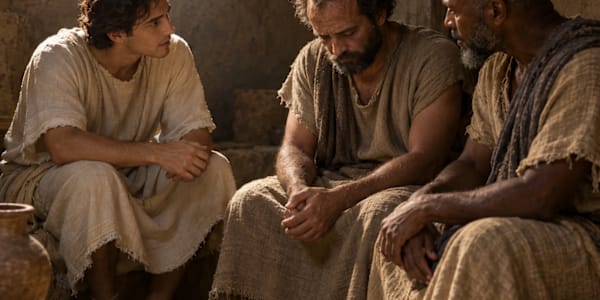
The meeting can finish on time while an important concern goes unheard. A colleague who usually questions the proposal says almost nothing. Someone starts to speak, sees the room moving on, and closes the notebook. You notice, but the next item is already on the screen. The temptation is to count the completed agenda as evidence that the meeting worked. Attention asks a harder question: have we made room for the people whose work, judgment, and burdens are present with us? A changed...

The task can be worth doing even when the arrangement around it needs to change. That is a difficult judgment when you have been sidelined, denied the resources you need, or left carrying a decision someone else refuses to make. Completing the next assignment can feel like agreeing that the situation is acceptable. Refusing everything can leave other people exposed while the person responsible remains untouched. A leader needs a more careful response than either automatic compliance or...

The cloak was real. The accusation attached to it was false. Joseph had left the garment behind while escaping Potiphar’s wife; she used it to support a story that reversed who had pursued whom. That is a painful place to begin an article about integrity. We would prefer the evidence to explain itself. We would like the person who does right to become easier to trust, especially when the decision has already cost something. Genesis 39 gives us an object everyone can see and a truth the person...

The message does not have to become more explicit for you to know where the conversation is going. You have already started making room for it. A private reply feels easier than a boundary, and the next explanation is available before you have finished reading: the other person understands you, nobody is being hurt, you can stop whenever you need to. Those are reasons to pause and examine your conduct. They are not permission to continue. I want to address the moment when you recognize a...

A boundary costs more when the person crossing it can change your future. The request may arrive without an explicit threat. The authority behind it supplies one: this person influences your assignments, your income, your place in the room. Someone watching from a safer position can mistake that pressure for a simple failure to speak plainly. They can ask why you did not refuse sooner without asking what refusal might have cost. Today’s passage requires us to notice both the boundary Joseph...

A department can depend on your competence while refusing to address what it is costing you. The handoffs improve because you keep repairing them. Customers receive accurate answers because you check what others leave unchecked. Your manager trusts you with another responsibility, and the growing trust begins to sound like evidence that everything is working. You may even hear your usefulness described as God’s purpose for placing you there. The work can matter without making that explanation...

We can become impatient with the person whose story interrupts the one we wanted to hear. Joseph has been taken to Egypt, and we want to know what happens next. Genesis makes us wait. Chapter 38 follows Judah and Tamar, bringing us into a household where promises have been withheld, sexual conduct is judged unevenly, and a woman faces a death sentence from the man who made her pregnant. This is uncomfortable reading. It is also essential to The Long Middle. The family carrying God’s covenant...

The explanation everyone agrees to use can become another person’s burden. A team knows what happened, settles on a version that protects its members, and leaves someone outside the room trying to make sense of the result. That person may spend weeks reviewing a decision, apologizing for a failure they did not cause, or grieving a loss on the basis of information someone else deliberately distorted. The meeting ends. The explanation keeps working. This is part of what makes concealment a...

A proposal can become easier to approve without becoming right. The revised version removes the most embarrassing feature, protects the people making the decision, and produces a return. Everyone can point to the improvement. Someone can even argue that a worse outcome has been prevented. The trouble is that the person carrying the harm may still be carrying it, while the decision makers have acquired a more comfortable explanation. This is one of the dangers of professional competence...

The person telling you that this will make you stronger may be the person who could help make it stop. That is a difficult possibility to examine, especially when the encouragement sounds Christian. Someone describes your humiliation as preparation, your exclusion as a lesson, or another person’s cruelty as the experience you needed. The words offer a future in which the pain becomes useful. They can also leave the present arrangement untouched. You are still carrying the cost, and the person...

The cost arrives, and suddenly you question the decision. You told the truth about a deadline, refused to misrepresent a result, or raised a concern someone powerful wanted left alone. The response was colder than you expected. An opportunity disappeared. A relationship changed. Now you are examining the original action through the pain that followed it, wondering whether a faithful decision should have produced a safer result. That question deserves care, especially when the loss is real. It...

A compelling future can become an excuse for a careless present. You see the team you could lead, the company you could build, or the work you hope will outlast you. The picture gives you energy. It can also tempt you to treat questions about readiness, resources, and responsibility as obstacles other people should stop placing in your way. Once a desired outcome feels certain, ordinary accountability can start to feel beneath it. Joseph’s dreams bring that tension into October’s series. A...

The person everyone complains about may be standing inside a pattern everyone protects. A team calls one colleague difficult while quietly accepting the leader’s double standard. A household treats one argument as the problem while leaving years of unequal treatment untouched. Naming the difficult person is easier than examining the arrangement that helped shape the conflict, especially when the people with authority benefit from that arrangement. October’s series, The Long Middle, begins...
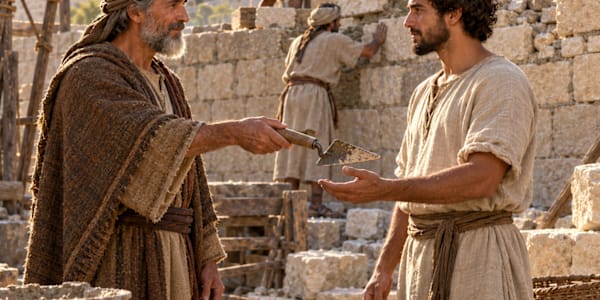
A completed project can hide unfinished leadership. The dashboard turns green, the launch announcement goes out, and everyone agrees that the work is done. Meanwhile, one person carries knowledge nobody else has, an exhausted team has learned to conceal bad news, and a promise made under pressure still needs correcting. The achievement may be real. The conclusion may be premature. September’s study of Elijah and Nehemiah brings us to this distinction: faithful leadership receives and serves...

Some leaders use action to avoid dependence. They build the plan, assign the owners, set the checkpoints, and keep moving so they never have to admit how much of the outcome they cannot control. Other leaders use the language of dependence to avoid action. They keep praying about a decision whose next faithful step is already clear. One tries to carry what belongs to God. The other hands God a responsibility that belongs to the leader. Scripture gives us a more demanding pattern. Prayer does...