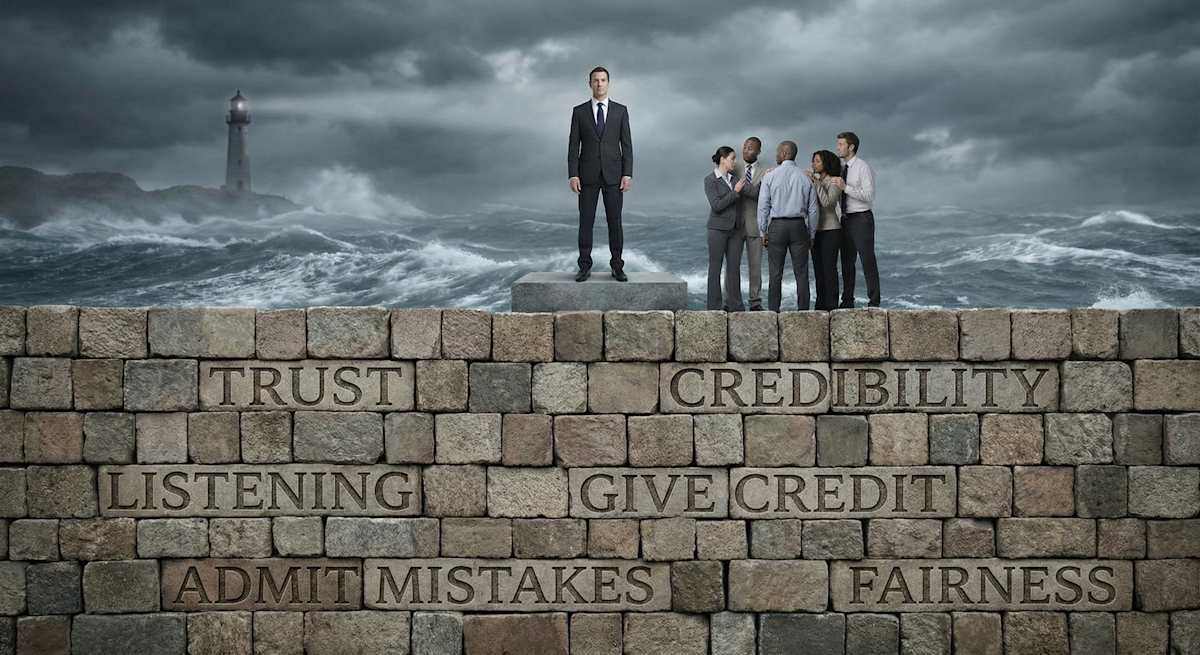
I once watched a leader navigate a company-wide crisis with remarkable poise. Teams rallied. Clients stayed calm. The situation resolved in weeks, not months. A colleague asked me afterward, “How did she do that?” My honest answer: she did not do it in the crisis. She did it in the five years before the crisis ever happened.
When crisis hits, most leaders ask, “How should I handle this?” But that question arrives too late. By the time you need trust, it is too late to build it. The leader I watched had spent years doing unremarkable things remarkably well. She credited others publicly. She admitted when she did not know something. She kept small confidences. She explained her reasoning even when she did not have to. None of those moments felt important at the time. But they were everything.
Crisis does not create who you are. It exposes what you have already become. Think about your own team. When uncertainty strikes, who do people naturally look to? It is rarely the person with the best title. It is the person who has proven trustworthy in a thousand forgettable moments. That trust was earned in routine meetings where they listened instead of dominated, in conversations where they gave credit instead of taking it, in small decisions where they did the right thing even though no one was keeping score.
Leadership reputation works like compound interest. Small deposits add up over years. Consistent transparency creates lasting credibility. Repeated fairness establishes trust. Ongoing presence demonstrates commitment. Regular kindnesses build deep loyalty. But the reverse is also true. Small betrayals accumulate. Minor hypocrisies erode credibility. Occasional dismissiveness creates lasting distance. You are making deposits or withdrawals every single day. Most of them feel insignificant in the moment. They are not.
Consider the daily leadership decisions that seem trivial but determine everything. When things go well, do you say “we” or “I”? When you do not know something, do you pretend or admit it openly? In meetings, do you dominate the airtime or make space for others? Do you announce decisions or help people understand why? How do you treat people who cannot help you? Do you protect information that seems unimportant? When someone is talking to you, is your phone away? These small moments accumulate into a reputation that either carries you through crisis or collapses under the weight of it.
One who is faithful in a very little is also faithful in much. That ancient proverb is the leadership principle hiding in plain sight. There is no cramming for a crisis. Your response was determined by everything you did before it arrived. The question is not “What will I do when crisis comes?” The question is “What am I building right now, in the ordinary moments when no one is watching?” Because by the time the storm hits, the foundation is already set. Start building today.
What small leadership moment have you witnessed that built (or broke) trust?
I write about leadership at the intersection of timeless principles and modern workplaces. Follow for weekly insights on building teams that actually work. For more articles like this consider subscribing to my Substack at: https://justinwilson411.substack.com/