We have spent the last three weeks building the first three stages of the Watchman’s Protocol. You have learned to ARREST the momentum of a spiraling thought. You know how to AUDIT the source of that impulse. You understand how to ALIGN your decision with the Three Witnesses. Yesterday we covered how the feeling of peace follows obedience rather than preceding it. Today we are exploring the sobering reality of what happens when the entire protocol gives you a red light, but you desperately want to go anyway.
I once sat with a leader who was days away from signing a partnership agreement that would fundamentally alter his company. He had run the protocol. He ARRESTED his initial excitement to evaluate the deal objectively. He AUDITED his motives and found a significant amount of ego driving the timeline. He ALIGNED the decision against his standing orders, seeking counsel from his board and listening to his own unsettled conscience. The verdict was unanimous: the partnership was a mistake. Yet, he still wanted to sign the papers.
This is the crucible of self-governance. The Watchman’s Protocol is not merely an intellectual exercise to clarify your thinking. It is a mechanism for obedience. When you have done the rigorous work of bringing a decision into the light, and the light reveals a hazardous path, proceeding is no longer a mistake in judgment. It is willful disobedience. The framework has done exactly what it was designed to do, presenting you with a clear choice between submitting to wisdom or surrendering to your own desires.
We often try to negotiate with the protocol when we do not like the answer. We convince ourselves that perhaps we audited incorrectly or that our advisors simply do not understand the nuance of our unique situation. We start looking for loopholes in our own standing orders. But the protocol is designed to strip away these self-deceptions. The prophet Jeremiah warns us that the heart is deceitful above all things. Our own desires are masterful counterfeiters of truth. If the scriptures, your wise counsel, and your conscience are all raising alarms, you must trust the system over your adrenaline.
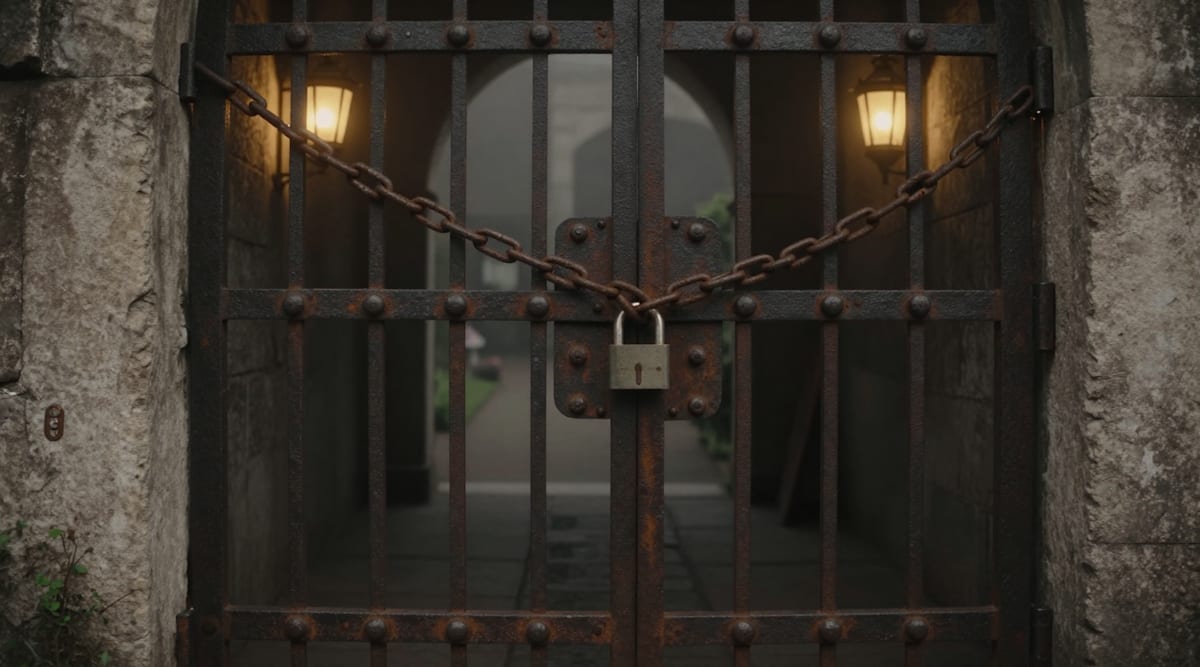
To ACT does not always mean moving forward. Sometimes the most significant action a leader can take is to firmly operate the gate and lock it shut against a bad idea. When all four elements of the protocol say stop, you must have the courage to endure the disappointment of a closed door. The discomfort of walking away from a tempting opportunity is the precise cost of integrity. Action is not defined solely by motion; choosing to stand still in the face of immense pressure is one of the most dynamic choices a leader can make.
Consider the story of King Saul waiting for Samuel at Gilgal. The pressure was immense. The troops were scattering. The enemy was gathering. Saul felt he had to do something, so he forced himself to offer the burnt offering unlawfully. He pushed past the established protocol because the urgency of the moment felt more real than the command of God. We know the cost of that decision. Urgency is rarely the Holy Spirit, and proceeding when the gate should be closed always invites disaster.
Tomorrow we will walk through running the entire protocol in real-time under pressure. We are building toward our comprehensive guide at the end of the month, where we will dive into advanced case studies, common failure modes, and building your own custom standing orders. If you have not already, this is the perfect time to upgrade to the paid tier to ensure you receive the 4,000-word complete Watchman’s Protocol guide.
Until then, I leave you with this question: Is there a decision in your leadership right now where the protocol is clearly saying stop, but you are still trying to negotiate a yes?
I write about leadership at the intersection of timeless principles and modern workplaces. Follow for weekly insights on building teams that actually work. For more articles like this consider subscribing to my Substack at: https://christianleadership.now