Most leadership damage does not happen during obvious moral failure or public collapse. It happens quietly, long before anyone notices. It happens when a leader reacts instead of governs, speaks instead of listens, or moves instead of pauses. By the time the crisis arrives, the real decision has already been made.
Pressure does not introduce new problems. It exposes existing ones. When tension rises, leaders fall back on defaults. Those defaults are not created in the moment. They are formed by habits, unchecked patterns, and small compromises repeated over time. The crisis simply removes the disguise.
Many leaders assume that experience alone will carry them through hard moments. Experience helps, but experience without structure is dangerous. Instinct feels reliable until fear enters the room. Emotion feels justified until pride gets involved. Good intentions collapse quickly when there is no internal system to slow the moment down.
This is why so many capable leaders surprise themselves when they fail. They did not plan to overreact. They did not plan to compromise. They did not plan to damage trust. They simply had no internal gate when pressure arrived. Everything rushed in at once.
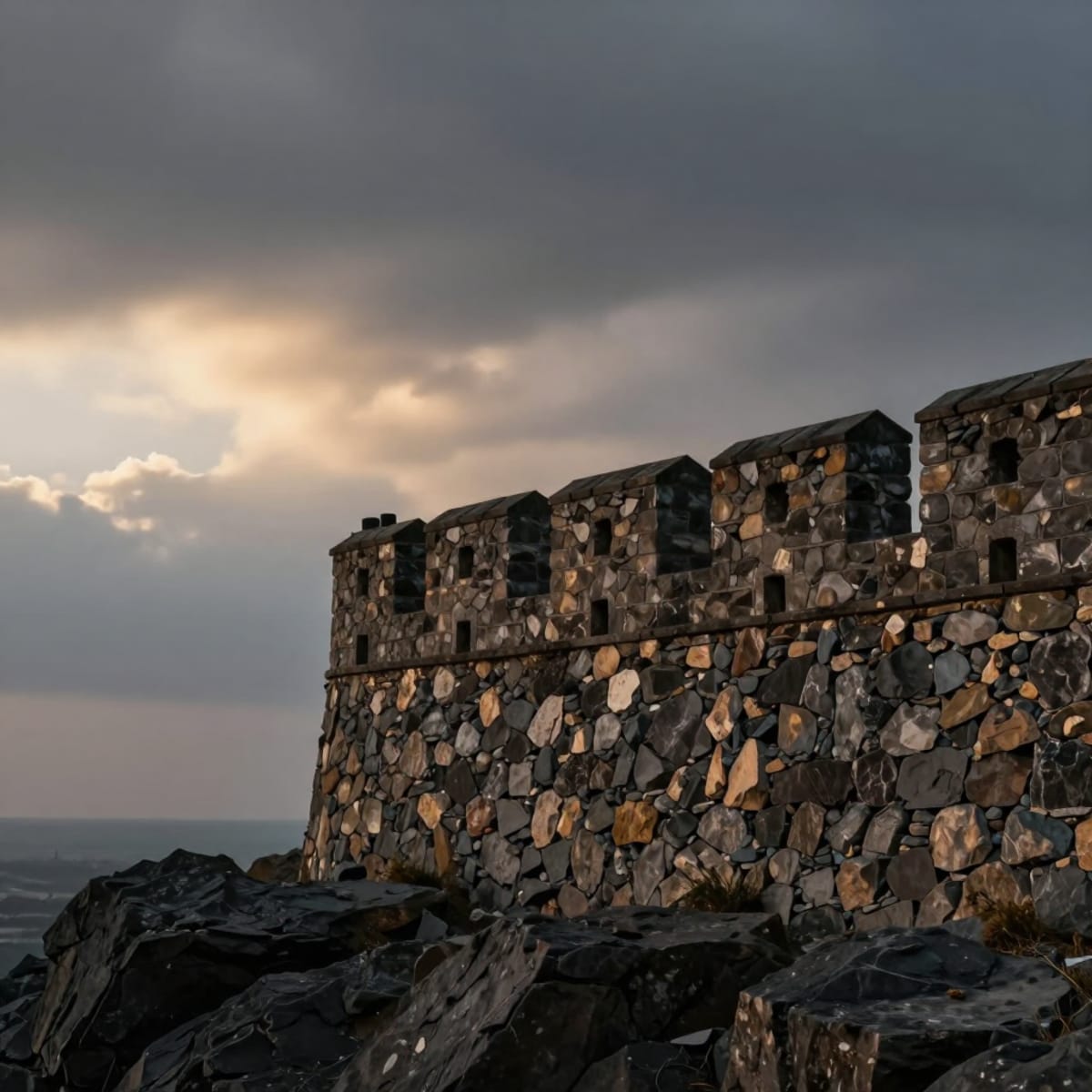
A Decision Fortress is not about making better choices in dramatic moments. It is about governing yourself before the moment demands it. A fortress assumes threat. It does not panic when the enemy approaches because the walls are already in place. The watch is already assigned. The gates already have rules.
Most leaders spend their time managing outcomes instead of managing themselves. They obsess over results, optics, and consequences. God’s concern runs deeper. He watches how you think when you are tired. He watches how you speak when you are irritated. He watches how you lead when clarity is absent and certainty is unavailable.
Silence from God is often where leaders struggle most. We want confirmation before commitment. We want peace before obedience. We want assurance before action. Silence feels like risk, but silence is often where trust is built. God is not withholding guidance to confuse you. He is testing whether truth has been internalized or merely followed.
The leaders who endure are not the ones with the sharpest instincts. They are the ones with the strongest inner structure. They have learned to pause before reacting. They examine motives instead of defending positions. They align themselves with truth even when it costs speed, approval, or comfort. They act without theatrics and without excuses.
This kind of leadership is rarely noticed at first. It does not announce itself. It is built quietly, brick by brick, in ordinary moments. It shows up when an honest answer would be inconvenient. It shows up when restraint would be easier than control. It shows up when obedience is chosen without applause.
When the crisis finally arrives, these leaders do not become heroic. They simply remain consistent. Their response feels steady because it is familiar. They are not improvising integrity under fire. They are standing inside something they already built.
If leadership feels heavier than it used to, that weight may not be failure. It may be responsibility. God trusts leaders who can govern themselves in silence more than those who need constant direction. The goal is not certainty. The goal is faithfulness.
Do not wait for the next crisis to decide who you will be. Build the fortress now. The walls you raise today will decide how you stand tomorrow.