I watched a chief operating officer freeze in front of her board as a routine variance review turned hostile. The shortfall was not catastrophic, yet the silence in the room was. She had fudged the previous month’s forecast to buy time, then never corrected the record. When the truth surfaced, the directors were not angry about the dollars. They were angry that her word no longer weighed anything. That collapse started a year earlier when she began rounding problems down in hallway conversations. The lion’s den always feels sudden; the compromise at the table never does.
Leadership pressure rarely announces itself with sirens. It shows up as catered lunches, quiet approvals, and little phrases such as “We are close” when you know you have not even opened the spreadsheet. The governing idea today is simple: the courage you expect to deploy in public is built out of the microscopic acts of reverence you practice in private. You cannot pray for angelic deliverance when you already trained your mouth to treat truth like putty.
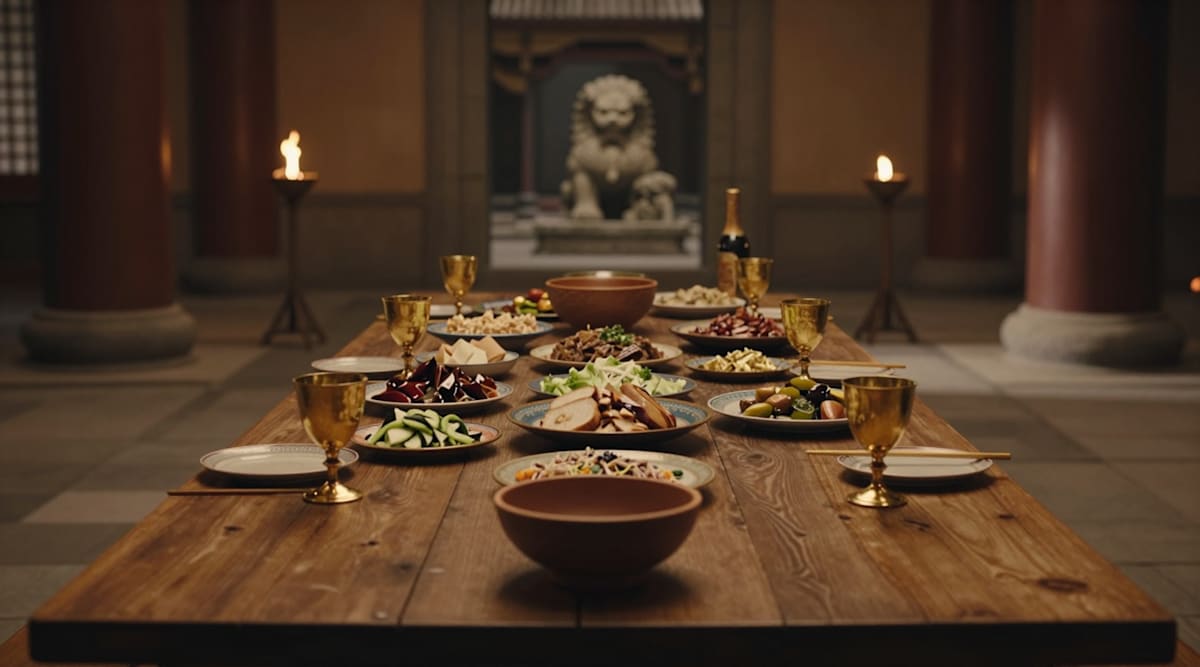
Daniel’s story is not about the lions. It is about the menu. Daniel 1 shows a young administrator deciding he would not defile himself with the royal food. That was not a public protest. That was a man refusing to let appetites be managed by a king who wanted compliant servants. The lion’s den in Daniel 6 is simply the public audit of that earlier conviction. Leaders who hope to stand firm when policy threatens worship must first prove they can whisper “no” to the harmless indulgence.
The integrity foundation is poured long before the crisis. Structural engineers call it fatigue failure when metal fractures under repeated small stresses that feel harmless. Every strategic exaggeration, every “traffic was bad” fib, every padded expense report is another micro crack. The building looks fine until the weight shifts, and then the rupture feels instant even though it has been scheduled for years. Governance is the discipline of inspecting those micro cracks before they align into a fault line under your team.
I learned this watching a faith-based nonprofit that kept two reporting systems. The internal ledger reflected true expenses; the donor-facing summary trimmed losses to keep benefactors upbeat. For months the executive director defended it as “temporary optics.” When a donor requested the raw files, the discrepancy ended the partnership overnight. The staff did not mourn the funding gap. They mourned the loss of trust. They had seen the director shrug at small distortions for years. They already knew the fortress was hollow.
Scripture (NLT): “But Daniel was determined not to defile himself by eating the food and wine given to them by the king. He asked the chief of staff for permission not to eat these unacceptable foods.” (Daniel 1:8). Later, “When Daniel learned that the law had been signed, he went home and knelt down as usual in his upstairs room… He prayed three times a day, just as he had always done.” (Daniel 6:10). The NLT wording matters because it highlights the pattern. Daniel decided, Daniel asked, Daniel continued just as he had always done. Nothing about lions is mentioned in either verse. The Spirit highlights the mundane habits: determine, ask, continue.
Application requires honest context. Daniel 1 takes place when he is a young captive with everything to gain by compliance. Daniel 6 occurs after decades of promotions. The stakes change, yet the reflex does not. Leaders love to imagine themselves as seasoned veterans who will roar truth in the king’s court. Scripture keeps showing a man who kept quiet promises to God about diet, prayer hours, and posture long before the stage lights found him. The modern equivalent is choosing to correct the optimistic slide deck before walking into the client review, even if nobody has demanded it yet.
Framework: The King’s Table Checklist keeps you from walking into predatory rooms unarmed.
- Name the table. Identify the spaces where you are tempted to smooth reality: board prep, pipeline calls, domestic conversations about money.
- Pre-decide your non-negotiables. Write the exact sentences you will use when truth feels costly, such as “I missed it. Here is the actual status.”
- Invite a witness. Tell a teammate or spouse what you tend to round down so they can ask you about it before pressure spikes.
- Correct in real time. If you spin or hedge, circle back within the same day and restate the facts plainly. That final step is the spiritual equivalent of refusing the king’s meat: you prove to yourself that comfort does not rank above obedience.
Governing leaders cannot plead busyness as a justification for fuzzy communication. Your team lives downstream from your private stories. When you minimize problems privately, they inherit an avalanche publicly. When you train yourself to tell the uncomfortable truth the moment it becomes clear, you also train your team to bring you facts before they calcify into liabilities. The fortress you are building is not just for you. It is the shelter that keeps the people you lead from being devoured by rumors, legal exposure, and anxiety.
This is why the King’s Table principle is more than personal morality; it is governance infrastructure. Boards, elders, and leadership teams should ritualize micro audits. Ask each other, “Where did you manage perception this week?” Reward the person who admits the hard thing early. Discipline the casual spin before it mushrooms. The first arrest should happen at the table, not at the den when lawyers and journalists are already present. Governing leaders normalize correction as an act of stewardship, not humiliation.
The Scripture pattern ends with deliverance, but the text never guarantees rescue from every consequence. What it guarantees is the presence of God in the pressure chamber when the integrity foundation is intact. The question for modern leaders is whether they expect God to vindicate words they already hollowed out. We cannot ask heaven to close the mouths of lions when we refuse to close our own mouths around half-truths.
Charge: Audit one promise you made this week and, if needed, correct the record before nightfall. Question: Where is your modern “king’s table,” and what specific indulgence do you need to refuse before you ever pray for lion’s den courage?
I write about leadership at the intersection of timeless principles and modern workplaces. Follow for weekly insights on building teams that actually work. For more articles like this consider subscribing to my Substack at: https://christianleadership.now