You have walked twelve gates. You know what ARREST looks like when your anger spikes and what AUDIT asks when your integrity is under pressure. You know the first move at the Crisis Gate is to sit down, and the first ACT at the Brotherhood Gate is to pick up the phone. You know the moves. Here is the question this month has been building toward, and it is the one you have been avoiding since June 8: Which gate do you fail most often, and what are you going to do about it?
Not in theory. Not in the abstract. You have been a student of the twelve gates for fourteen days. Now it is time to be a diagnostician of the one gate that has been failing on your watch.
The connection between all twelve gates and the one you keep failing is easier to see from the outside. A man can walk the Integrity Gate and nod along. He can walk the Anger Gate and recognize every sentence. He can walk the Marriage Gate and feel the heat rise. Until he stops to ask which gate he fails first, most often, and most predictably, he will run the Protocol as a generic discipline applied to a generic life. The twelve gates are not a curriculum you complete. They are a diagnostic you return to. Today is the day you run the diagnostic.
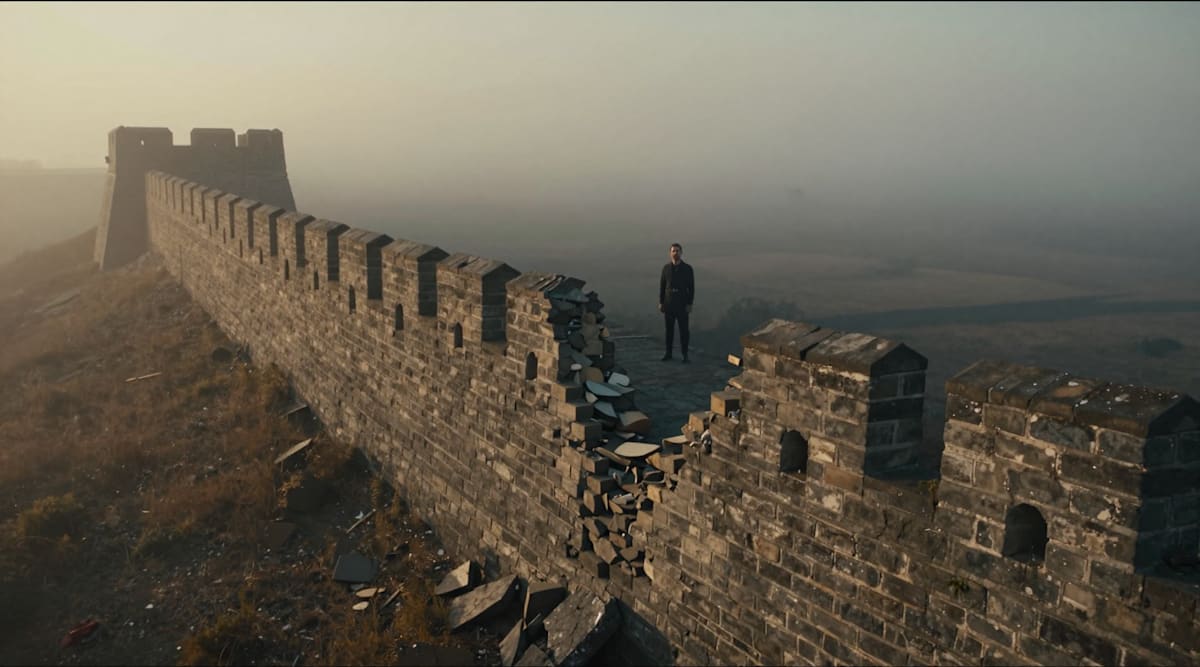
The deeper cut this article makes is not a new gate. It is a mirror. The writer of Lamentations gives the instruction: "Instead, let us test and examine our ways. Let us turn back to the Lord" (Lamentations 3:40, NLT). The word "examine" is active. It is not a passive glance at the surface of your life. It is the kind of examination a watchman does walking the wall at night, checking every section, testing every stone, looking for the crack he missed the night before.
Every man has a gate he keeps leaving unguarded. The pattern is not random. It is the gate that connects to his most stubborn wound, his most practiced evasion, his most comfortable sin. It is where he has made peace with the failure because it has been there long enough to feel like furniture. The man who fails the Anger Gate does not fail because he cannot learn the ARREST step. He fails because the anger earned him something once, and he has been running the same program ever since, even though the people in the blast radius have changed. The man who fails the Integrity Gate has made a private peace with the second look, the bookmark saved, the conversation that crosses a line, because the moment of temptation feels safer than the shame of confessing it. The man who fails the Digital Gate knows he scrolls too much and has stopped caring. The man who fails the Marriage Gate tells himself he will do better tomorrow, and tomorrow has been arriving empty for years.
The way to identify your gate is not complicated. Look at the gate you think about most often when you are not supposed to be thinking about it. The gate you defend in your own mind. The gate where you have an explanation ready before anyone asks. That is your gate. You already know which one it is. The Spirit has been showing you this gate all month, and you have been walking past it looking at the other eleven.
The AUDIT that matters today is not the H.A.L.T. check. It is a simpler question: What do I default to when I am not running the Protocol? The gap between knowing the moves and running them is where the unguarded gate lives. James addresses this gap directly: "But do not merely listen to the word of God and so deceive yourselves. Do what it says" (James 1:22, NLT). The deception James warns about is not the person who never heard the truth. It is the person who heard it, nodded, agreed, and walked away unchanged. You have heard fourteen days of truth about the twelve gates. If you cannot name the one gate you will work on tomorrow, you have listened without doing.
The integration this article demands is the hardest move of the month. Every gate connects to every other gate. The man who governs his Anger Gate will find his Integrity Gate easier to guard, because the same muscle that stops the sharp word also stops the second look. The man who governs his Digital Gate will find the Crisis Gate less terrifying, because he has practiced the stillness that crisis demands. The gates share walls. They share foundations. They share the same watchman. When you identify the gate you keep failing and begin to govern it intentionally, every other gate gets stronger. You stopped ignoring where the wall was crumbling.
Proverbs says, "Guard your heart above all else, for it determines the course of your life" (Proverbs 4:23, NLT). The gate you keep failing is where your heart is most vulnerable. It is not a random weakness. It is where the enemy has been working longest. The reason you keep failing is not that you lack discipline. It is that you have not named this gate as the priority. The watchman who guards every section equally is not a good watchman. He has not identified which section the enemy keeps attacking.
The action for today is one exercise. Identify your gate. Name your failure mode. Draft one specific Standing Order. Here is the template: "When I feel [trigger], I will [protocol action] before I [default response]."
Examples from the gates you walked this month.
When I feel the heat rising, I stop talking and excuse myself before I say the thing that costs me the relationship. The Anger Gate. When I feel the pull to look where I should not look, I stand up and walk away. The Integrity Gate. When the urge to check my phone hits in the silence, I leave it in the other room. The Digital Gate. When I feel my wife's frustration and I want to withdraw, I stay and tell her what I am feeling before I shut down. The Marriage Gate. When the crisis hits and everything in me screams to fix it, I call my brother before I make a single decision. The Crisis Gate.
Your first draft will not be perfect. Still, it is the one that turns an idea into a rule. David understood this when he wrote, "Search me, O God, and know my heart; test me and know my anxious thoughts. Point out anything in me that offends you, and lead me along the path of everlasting life" (Psalm 139:23-24, NLT). David is not asking God to show him what is going well. He is volunteering for the diagnostic. He knows the path runs through the places where he offends God, not around them.
The other Standing Orders come on June 28, the workshop day. Today is about the one gate, the one failure mode, the one order that changes where you have been stuck the longest. Do not try to fix all twelve today. That is not the assignment. One gate. One order. One honest conversation about the place where the wall has been down for months or years, and you have been walking past it pretending not to notice.
The Tuesday afternoon takeaway is the most specific instruction you have received all month. Write down your gate, your failure mode, and your Standing Order. Put it where you will see it every day for the next seven days. On your phone. On your mirror. In your wallet. Then run the order the next time you feel the trigger. You will fail some of the time. That is fine. The first week is not about perfection. It is about interruption. Every time you catch yourself and run your order instead of your default, you are rebuilding the wall one brick at a time.
You have known which gate this was since you read the title. Stop walking past it.
Leadership Challenge: Which gate did you identify? Take thirty seconds right now and write it down. Do not edit it. Do not soften it. Just name the gate. Then write your one Standing Order. When I feel [trigger], I will [protocol action] before I [default response]. If you cannot finish the sentence in two minutes, you are not being specific enough. Try again. The gate you keep failing has been failing long enough. Today is the day you interrupt the pattern.
I write about leadership at the intersection of timeless principles and modern workplaces. Follow for weekly insights on building teams that actually work. For more articles like this consider subscribing to my Substack at: https://christianleadership.now