What would change if you stopped asking whether your faith looks impressive and asked what is nourishing it? A crowded calendar can make a life appear fruitful. A quiet week can make the same person feel useless. Neither impression tells the whole truth. We need ways to examine our lives, but the measure we choose matters. John 15:1–17 begins with a relationship before it describes a result. Jesus speaks of branches whose life depends on the vine. His invitation addresses the anxious disciple who keeps counting achievements and the comfortable disciple who assumes that no response is necessary. Fruit matters, and its source matters first.
Jesus gives this teaching during his farewell discourse, preparing his disciples for his departure. John 14 has already placed their troubled hearts within his promises of continuing care and the Spirit’s presence. The coming separation will test what they understand about belonging to him. His words are therefore more than advice for becoming effective. They teach disciples how to live in dependence when they can no longer relate to him in the familiar way. Reading the vine passage within that conversation keeps us from turning it into a technique for increasing output. Jesus himself remains the center of the life he describes.
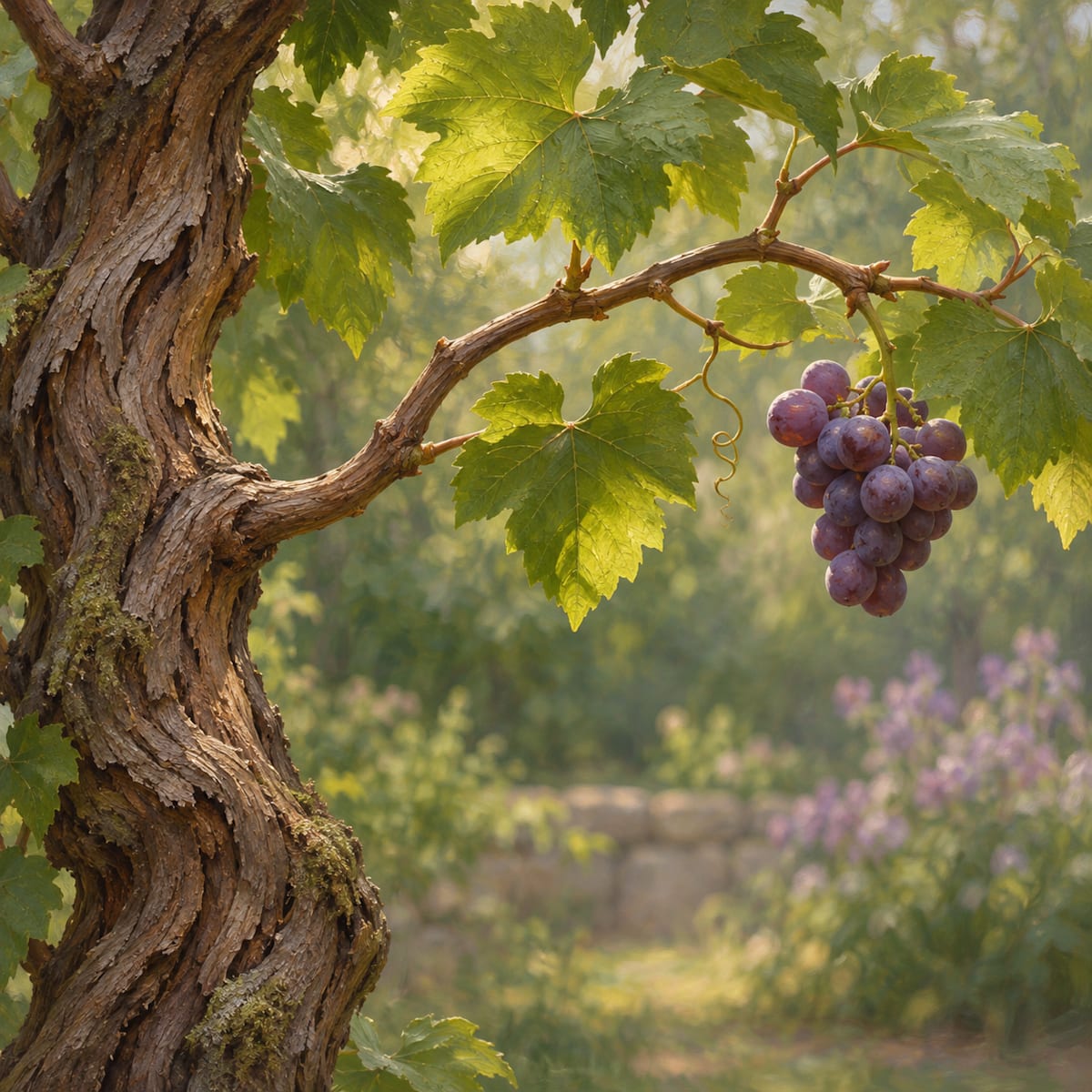
The image assigns us a place we may find difficult to accept. A branch receives life; it does not manufacture the source that sustains it. Jesus says, “Remain in me, and I will remain in you” (John 15:4, NLT, excerpt). That invitation gives prayer and Scripture reading a different purpose from accumulating religious accomplishments. We come to attend to Christ, receive his words, and respond to him. We can finish a reading assignment while refusing the correction it brings. We can also read a short passage slowly and carry its command into a difficult conversation. The number of pages is useful information, but it cannot tell us whether we are listening.
Dependence does not excuse passivity. A living relationship calls for a continuing response, and the passage refuses to separate remaining from obedience. The ordinary practices of Christian life matter because they bring us repeatedly to the One we trust. Keeping a regular time for prayer can protect attention that would otherwise be scattered. Reading with other believers can expose an interpretation that conveniently protects our preferences. Confessing a wrong can turn an acknowledged command into actual obedience. None of these practices makes Christ indebted to us. They express a need we do not outgrow, including on the days when our work goes well and our confidence feels strong.
The gardener’s work adds a serious note. Jesus describes both the removal of fruitless branches and the pruning of fruitful ones. His warning should not be dismissed simply because it unsettles us. Christian traditions differ in explaining the spiritual condition represented by the discarded branches, and this short study will not settle that disagreement. The immediate summons is clear enough to receive: continue in Jesus. The pruning image also does not give us permission to diagnose every loss. We cannot tell a grieving neighbor that we know precisely what God is removing or why. Humility can acknowledge God’s care without pretending to possess his explanation for another person’s pain.
The movement into love helps us understand what kind of life this relationship produces. Jesus connects the disciples’ life with the love they have received from him, and he commands them to love one another. Fruitfulness cannot therefore be reduced to an audience, a successful project, or an expanding ministry. A person may attract attention while treating those nearby with contempt. Another may receive little recognition while learning to serve faithfully. This is not a reason to dismiss visible results or avoid honest evaluation. It is a reason to examine whether our pursuit of results is making room for the love Jesus commands. The people closest to our work should not become expendable in its name.
That love has substance. It costs attention, time, and the surrender of self-importance. In an ordinary household, it might mean listening to an unfinished concern instead of preparing the defense you will give when the other person pauses. In a church, it might mean sharing an overlooked task without turning your help into a complaint about recognition. At work, it might mean giving someone the information they need even when withholding it would make you look indispensable. These are applications, not a list Jesus supplies in the passage. Each asks whether our claimed dependence on him is becoming care for an actual neighbor.
Prayer belongs within this same relationship. The promises about asking are surrounded by remaining, receiving Jesus’ words, and loving others. They should not be detached into a guarantee that any ambition carrying religious language will succeed. We bring real desires before the Father, including desires we do not yet understand well. We also let Jesus’ teaching question those desires. A prayer for influence may need to become a prayer for patience with the person already in front of us. A prayer for a larger opportunity may uncover an obligation we have postponed. Trust makes room for correction without requiring us to stop asking.
Choose one connection between prayer and love today. Read the assigned passage without rushing to assess your performance. Name one person whose good requires your attention, and ask for help with one concrete act of care. Make the act small enough to carry out and specific enough to recognize. Later, reflect on whether you followed through, what resisted obedience, and where you still need help. You are not grading your worth or proving that a quiet day mattered. You are learning to respond to the Christ on whom your life depends. Let your next measure begin there: with his words received and his love practiced toward someone near enough to serve.
Leadership Challenge
Read John 15:1–17, pray for one person, and choose one specific act of care you can complete today. Reflect afterward on what helped or resisted your response.
Author Bio
I write about leadership at the intersection of timeless principles and modern workplaces. Follow for weekly insights on building teams that actually work. For more articles like this consider subscribing to my Substack at: https://christianleadership.now