Most leaders believe they will rise to the occasion when pressure hits. We imagine that when the moment comes, when the deal is on the line, when the conflict surfaces, when the temptation appears, we will suddenly become courageous, clear-headed, and wise. Experience teaches a harsher truth. Under pressure, we do not rise. We revert. We fall back to whatever has already been built inside us.
Leadership failures rarely come from ignorance. They come from ungoverned reactions. When the moment demands clarity, fear speaks first. When integrity costs something, shortcuts look appealing. When silence from God feels uncomfortable, panic fills the gap. The crisis only reveals what was already there.
Many Christian leaders struggle most when God goes quiet. Early in faith, guidance often feels obvious. Scripture seems to speak directly. Doors open cleanly. Confirmation arrives right on time. Over time, that clarity fades. The signs slow down. The voice grows quieter. The decisions get heavier. This silence often feels like abandonment, but it is not. It is responsibility.
God does not remove clarity to confuse us. He removes it to mature us. He stops giving turn-by-turn instructions because He expects us to internalize truth, not just follow commands. This is the difference between a junior leader who needs constant direction and a mature leader who understands the principles well enough to act faithfully without supervision.
The problem is that many leaders reach for answers when they should be building structure. They want certainty about outcomes instead of strength of character. They want guarantees instead of governance. In reality, leadership is not about choosing perfectly. It is about choosing faithfully with what you know, owning the consequences, and responding with integrity when things do not go as planned.
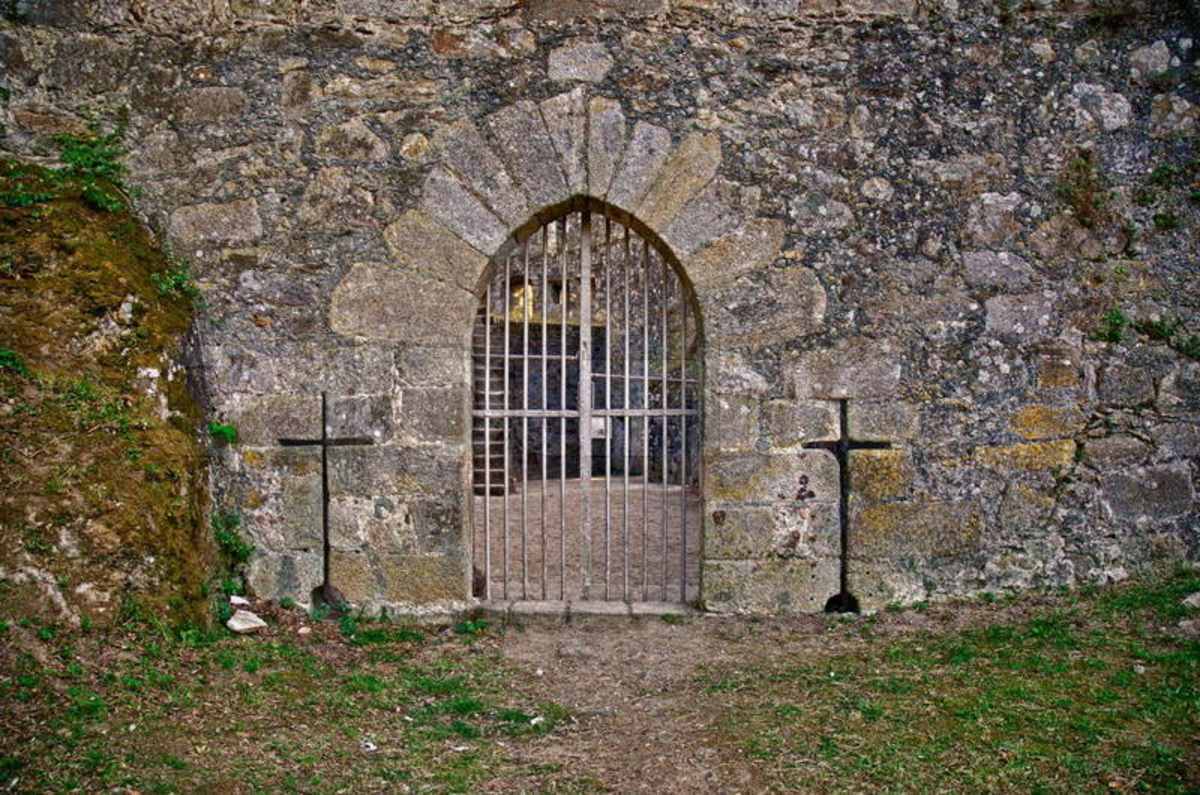
This is where the idea of a Decision Fortress matters. A fortress is not built during an invasion. It is built slowly, deliberately, long before danger arrives. Every small decision reinforces or weakens its walls. Every shortcut removes mortar. Every quiet act of obedience strengthens the foundation. The unseen choices of ordinary days determine how you respond when the pressure is extraordinary.
When the email arrives that triggers anger, your response is already decided by what you have practiced. When a moral compromise offers convenience, the answer depends on what habits you have normalized. When fear urges you to protect yourself, your default reaction reveals what has been governing you all along.
Leadership is not proven in vision statements or crisis speeches. It is proven on Tuesday afternoons when no one is watching, when the choice to be honest costs something, when patience feels unnecessary, and when obedience feels inconvenient. These moments do not look heroic, but they are formative.
Faithful leadership does not require perfect decisions. It requires a fortified inner life. It requires the discipline to pause, to examine motives, to align with truth, and to act without needing applause or assurance. This kind of leadership does not panic when God is silent. It trusts that silence is not absence. It is trust.
If you want to lead well when it matters most, stop waiting for clarity to appear. Start building the structure that can hold weight. The storm will come. When it does, the only thing that will matter is what you built before the first drop fell.
For more details read my latest book "The Decision Fortress: Constructing Unshakeable Leadership, One Decision at a Time" https://www.amazon.com/dp/B0GD8NBB64