The project is marked complete, and someone still has to answer the phone on Monday. A customer needs help. A new employee needs to learn the process. A decision that seemed obvious to the people who built the system makes no sense to the people now expected to run it. None of those needs cancels the accomplishment. They reveal what the accomplishment requires next. Leaders can put enormous care into reaching a finish line and surprisingly little care into the handover beyond it. The launch receives a date, a budget, and a room full of attention. Continued responsibility receives the vague assurance that the team will work it out. Nehemiah 7 makes us look past the completed structure toward the people entrusted with its care.
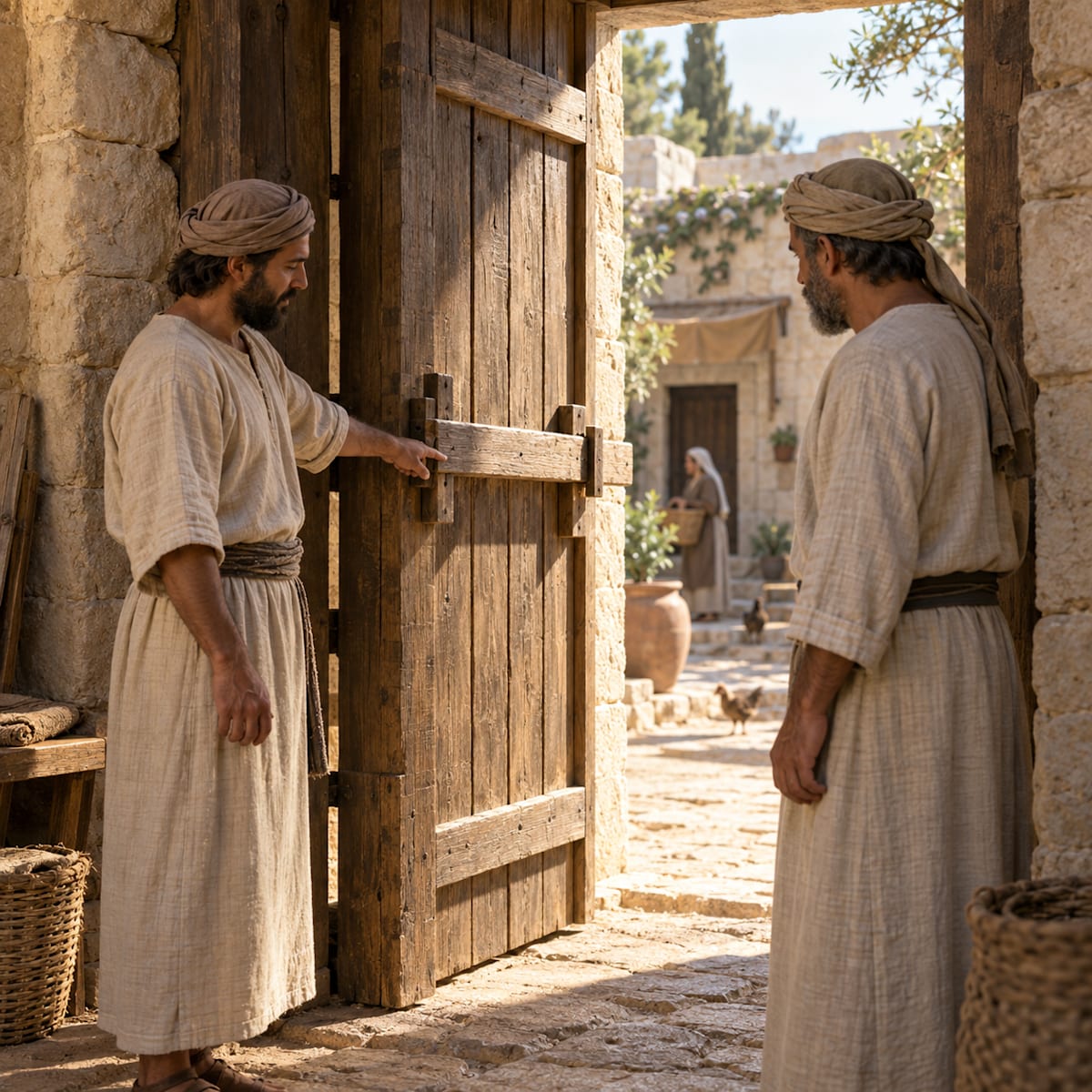
In Nehemiah 7:1–5, the wall is finished and its doors are installed. Nehemiah’s account turns immediately to appointments, including gatekeepers, singers, and Levites. He entrusts Jerusalem’s governance to his brother Hanani and to Hananiah, the fortress commander. These are responsibilities within Israel’s covenant community after exile, where restored worship and shared life matter alongside security. Hananiah receives a description worth pausing over. The passage identifies more than his position or his connection to the work. Here is the closing description from verse 2 in the New Living Translation:
“for he was a faithful man who feared God more than most.” (Nehemiah 7:2, NLT, excerpt)
The next instructions concern the gates and the residents’ watches. Specific people will guard specific places. The city remains sparsely populated, with houses still awaiting rebuilding. Nehemiah then credits God with prompting the registration of the community and consults an earlier record of the returning exiles. The rest of the chapter names families and responsibilities, addresses questions of ancestry and priestly service, and records contributions. We may hurry through those names to reach the next dramatic event. Their presence reminds us that Jerusalem’s restoration concerned an actual people with a history before God. The wall served their life together. Completing the structure did not remove the need to order that life faithfully, and the next administrative step was itself something Nehemiah attributed to God’s initiative.
This is not a command to organize a company like ancient Jerusalem. We should not turn priestly ancestry into a hiring policy or use the watch arrangements to justify making employees permanently available. The narrative shows what Nehemiah did in a particular setting. The wider Christian obligation is to use what God entrusts to us in service to others. Peter addresses believers facing suffering and teaches them to pray, love, offer hospitality, and exercise God’s gifts with the strength God provides. Within that instruction he writes, “Use them well to serve one another.” (1 Peter 4:10, NLT, excerpt). The immediate setting is the believing community, not a corporate operating model. Its account of gifts received for service should still shape the Christian who takes responsibility for other people’s work.
A finished project gives that responsibility a new form. During construction, the pressing question may be whether the thing can be built. After completion, someone must understand how to care for it, recognize trouble, and respond without waiting for the original leader to rescue every situation. The Decision Fortress develops this concern in its chapter on what a leader leaves standing. People need to grow capable of carrying responsibility beyond the leader’s immediate presence. That growth requires more than announcing trust at the celebration. Have you explained the decisions they can make? Have you given them access to the information those decisions require? Have you made time for them to practice while help is available? A handover becomes credible when the receiving person can describe the responsibility in their own words and has the means to carry it.
Character belongs in that conversation alongside competence. Hananiah’s description should prompt Christian leaders to examine their own reverence for God; it does not authorize a religious test for colleagues. In a workplace, look at the conduct you can actually evaluate. Who reports an emerging problem before being asked? Who keeps commitments when the audience has moved on? Who can receive correction without making the person offering it regret speaking? The discussion of hiring for character in Christian Leadership in the Professional World asks us to notice how people respond to challenge and to being right. Those questions remain useful when assigning responsibility to someone already on the team. Technical ability matters, and trustworthiness needs evidence. Familiarity, enthusiasm, and the willingness to agree with you cannot carry the whole judgment.
Imagine a team that has just launched a customer scheduling service. This is a hypothetical example. The project lead thanks everyone and begins the next assignment. The person expected to manage the service has access to the calendar but cannot change a broken booking rule. Customer support knows whom to contact during launch week, but no one has agreed on what happens afterward. The service works until a customer encounters the first exception. Then several people spend an afternoon discovering that each thought someone else owned the decision. The missing work was small enough to sound administrative: name the responsible person, agree on their authority, show them the known problems, and establish where unresolved decisions go. Without that conversation, the people depending on the service inherit uncertainty that the launch team could have reduced.
The answer does not need to be a large manual. Before closing the project, sit with the person receiving it and walk through one ordinary day and one plausible problem. Ask them to show you where they would find the information, what they could decide themselves, and when they would need help. Let their questions expose the gaps. Record the answers in a place the next person can find, then agree on a first review date. If the assignment exceeds their time or authority, repair that mismatch before calling the transfer complete. A document cannot grant an authority you still refuse to release. A named owner cannot supply capacity you have already committed elsewhere. The practical test is whether a real person can carry the work under the conditions you have actually provided.
Continued care must also make room for people to stop working. The Work Gate in The Watchman’s Protocol for Men examines what happens when professional achievement becomes the source of identity. A leader can keep every decision nearby because being needed feels reassuring. Another can pursue the next launch so quickly that maintenance feels beneath their attention. Both habits deserve an honest examination before God. Responsible delegation allows people to rest because support is shared and limits are understood. It allows the original team to celebrate a completed assignment without pretending its ongoing needs have disappeared. The goal is neither endless personal supervision nor a hurried exit. It is a clear transfer of responsibility, with enough preparation and support that people are not left carrying an obligation they never knowingly accepted.
Choose one recently completed project today and have the handover conversation you have been postponing. Ask the person expected to maintain it what they believe they own, what they can decide, and what still depends on someone else’s help. Listen for one gap you can close this week. Thank them for making that gap visible, then put the agreed responsibility and support in writing. Yesterday’s passage pressed us to protect attention long enough to finish the assignment. Today’s asks us to care about what happens once the milestone is behind us. Tomorrow, Stand and Rebuild moves to the public reading and explanation of God’s Law in Nehemiah 8. The people’s formation continues. Today, let your completed project receive one more act of care: make sure the person carrying it forward has what they need.
Leadership Challenge
Who is carrying a project you have already marked complete? Meet with that person, clarify their authority and support, and resolve one gap before the week ends.
I write about leadership at the intersection of timeless principles and modern workplaces. Follow for weekly insights on building teams that actually work. For more articles like this consider subscribing to my Substack at: https://christianleadership.now