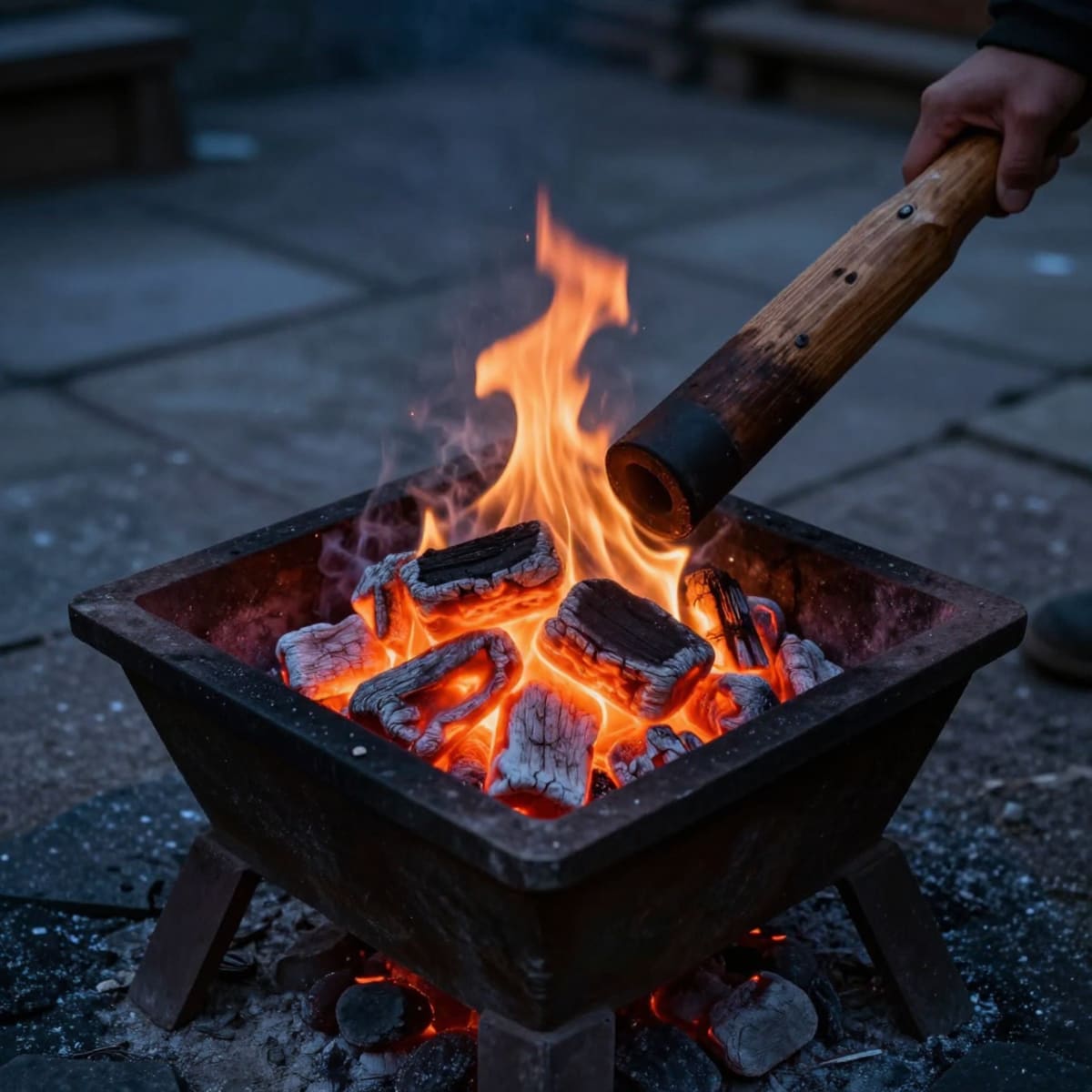
“I remember your genuine faith, for you share the faith that first filled your grandmother Lois and your mother, Eunice. And I know that same faith continues strong in you. This is why I remind you to fan into flames the spiritual gift God gave you when I laid my hands on you. For God has not given us a spirit of fear and timidity, but of power, love, and self-discipline” (2 Timothy 1:5-7, NLT).
The last letter does not open with a strategy. It opens with a grandmother’s name.
Paul is in chains in Rome. This is not the rented house of his first imprisonment, with visitors coming and going. This is the end, and he knows it. Every sentence costs ink he may not get to spend again. He does not start with the false teachers in Ephesus. He starts with Timothy’s face the last time they parted, and the faith that first lived in Lois, then in Eunice, then in the young man he still calls his son.
“I am writing to Timothy, my dear son. May God the Father and Christ Jesus our Lord give you grace, mercy, and peace” (2 Timothy 1:2, NLT). Then the memory that makes the charge land. “I long to see you again, for I remember your tears as we parted. And I will be filled with joy when we are together again” (2 Timothy 1:4, NLT). A dying mentor does not waste the opening of his last letter on a performance review. He names the people who put faith in the room before the title arrived. Then he tells the son he loves to put air back on a fire that is still hot enough to save.
This month we are walking through Paul’s final letters to Timothy, the closest thing the Bible has to a leadership mentorship manual passed from a veteran to his protégé. Yesterday closed 1 Timothy on contentment: the craving that walks otherwise faithful people out of the room. Today the tone shifts. We are in 2 Timothy now. The instruction becomes intensity. Four days ago Paul already warned him, “Do not neglect the spiritual gift you received through the prophecy spoken over you when the elders of the church laid their hands on you” (1 Timothy 4:14, NLT). Neglect was the first danger, the responsible postponement that looks like maturity. Fan into flames is the second. The gift did not leave. It went to coals.
I have watched that happen in a leader who used to close every all-hands by teaching one hard thing from the work itself. Not a slogan. A principle the room could use on Tuesday. Eighteen months of crisis later, the all-hands is a dashboard walkthrough. The gift is still in him. You can feel the heat when someone asks a real question. He changes the subject. Nobody asked him to stop teaching. The fire did not die. It ran out of air.
That is the principle. A gift smolders without attention. Fanning is not a personality upgrade and it is not a retreat weekend. It is the regular work of putting air back on something that still has heat. Paul is not telling Timothy he lost the gift. He is telling him the gift will not keep itself. The integrated believer hears this as stewardship under pressure. God gave you a capacity. A mentor confirmed it with his own hands. You are not free to let it cool because the season got expensive. The reader still exploring can take the same claim without a sermon. You were trusted with a capacity other people could see before you had the title. Letting it cool because the quarter is loud is not humility. It is a slow resignation from the work you were actually asked to do.
The context will not let us flatten this into a talent speech. Timothy’s gift was a recognized capacity for ministry, named out loud, then sealed when Paul laid hands on him. That is more personal than the earlier scene with the elders. The first letter said the church confirmed it. The last letter says I confirmed it. I was in the room. I felt the weight of what God put in you. I will not let you live on the memory of that moment while the fire goes quiet. Lois and Eunice matter here for the same reason. The gift sits in a lineage. Someone believed before you did. Someone practiced faith in a house before you ever led a room. Paul reminds Timothy of that line so the young man cannot pretend the gift is a private mood. It was received. It was confirmed. It can be tended, or it can be left to smoke.
Fear is already in the paragraph, and I will not steal tomorrow’s article to finish it. Paul names the spirit God did not give: fear and timidity. He names the spirit God did give: power, love, and self-discipline. The smolder has a cause. Some gifts cool because the calendar ate them. Some gifts cool because using them would cost you the room. Teaching the hard thing. Naming the true thing. Developing one person while the dashboard is red. The gift starts to feel dangerous. Coals are safer than flame. Paul will not let Timothy confuse safety with faithfulness.
Bring it to Tuesday afternoon. Find the coal first. Name the gift that still has heat and no flame. Not your title. The thing the people who believed in you first would recognize if they walked into your week. Teaching. Seeing the person under the performance. Holding a standard when the room wants relief. Building someone who will outlast you. Write it in one sentence you could say without branding language. Then name what starved the air. Open last month’s calendar and mark the hours that belonged to the gift and the hours that replaced them. Fear will show up as a reasonable meeting. Hurry will show up as a deck. A hard season will show up as a version of you that is still competent and no longer on fire. Third, do one act of fanning this week. Not a reorg. One hour of the actual work of the gift, done out loud, where it costs something. Teach the principle you have been summarizing. Sit with the person you have been postponing. Say the true thing in the room that has learned you will not. Finally, tell one person who laid hands on you. A mentor. The colleague who first named the gift. The friend who still remembers the version of you that burned. Paul laid hands. The gift was never meant to be a secret you keep from the people who confirmed it.
I will be honest about the difficulty. Fanning a gift in a hard season feels like vanity. The organization is on fire in the other sense, the emergency sense, and you look self-indulgent if you protect an hour for the work you were actually trusted with. Developing one person while a customer is angry can feel like theater. Teaching when the numbers are down can feel like you are hiding. Paul knew Ephesus was on fire. He was in a worse fire. He still would not let Timothy become a full-time firefighter who used to have a calling. The cost of the other path is quiet. You keep the title. You lose the heat. The team gets a competent operator and stops expecting the thing that made them follow you. You start believing the cooled version is who you are.
The Field Manual at the end of this month will put this under the Leader’s Suffering: the spirit of power, the chain that cannot hold the word, the four-generation work of handing the gift to someone who will hand it on. Guarding the gift was a training plan in 1 Timothy. In 2 Timothy it is an endurance discipline. You fan the flame while it costs. You fan it while you are afraid. You fan it because a mentor who is almost out of time still thought the fire in you was worth his last ink. Phase 4 is where the letters stop sounding like a handbook and start sounding like a man who loves you and will not watch you go cold.
Tomorrow Paul stays inside the same sentence and names the spirit that puts the fire out. “For God has not given us a spirit of fear and timidity, but of power, love, and self-discipline” (2 Timothy 1:7, NLT). You cannot fan a gift while you are leading from the spirit God never gave you. The young leader in Ephesus did not need a lighter week. He needed to put air back on a coal that still had heat, and a mentor in chains who loved him enough to remember his grandmother’s name before he asked him to burn.
Leadership Challenge: What gift still has heat and no flame? Name what starved the air last month, then do one hour of the actual work of that gift this week, out loud, where it costs you something. Who will you tell?
I write about leadership at the intersection of timeless principles and modern workplaces. Follow for weekly insights on building teams that actually work. For more articles like this consider subscribing to my Substack at: https://christianleadership.now