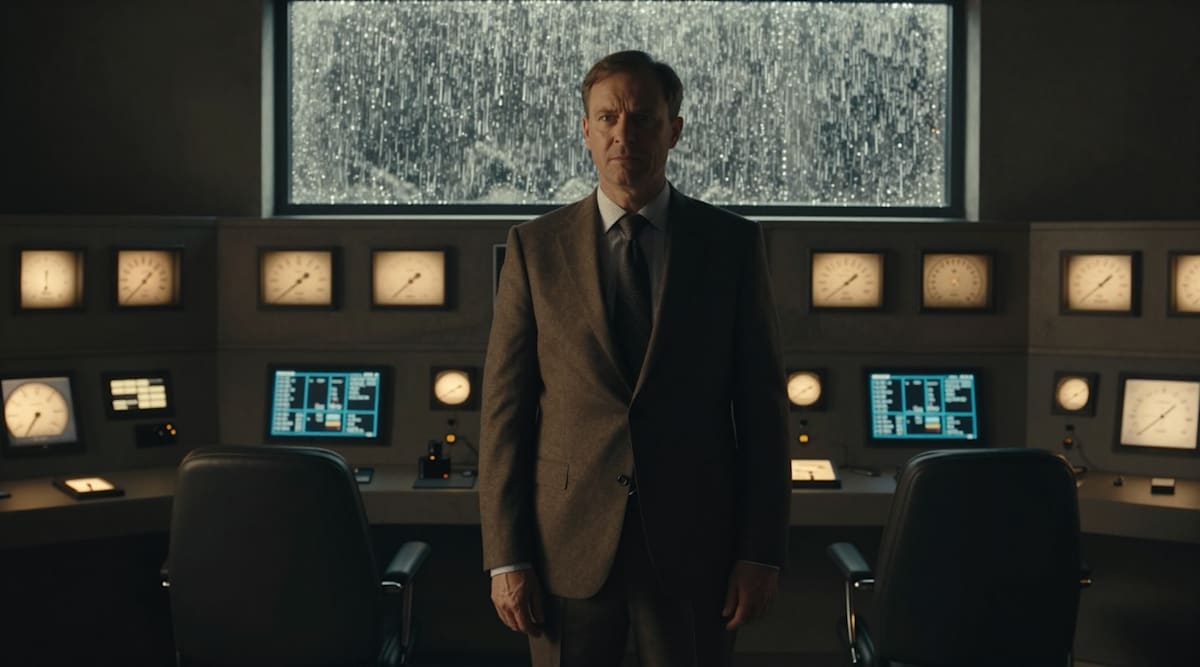
I watched a division president stare at a quarterly loss report in a silent boardroom while everyone else waited to see whether he would explode or shrug. The silence was a freight train. Finance leaders clutched their pens. Communications drafted statements in their heads. No one breathed until he spoke. That moment did not hinge on numbers. It hinged on whether his emotional walls would hold. If he vented, stock value would drop another five percent by noon. If he masked, the team would spend the afternoon whispering about the storm they knew was brewing. He looked up, acknowledged the loss, named his disappointment, then assigned clear next steps. The room exhaled because his emotions served the mission instead of hijacking it.
Yesterday we dismantled the myth that strong leaders never feel. Today is the bridge to governing what we feel without letting it govern us. Emotions that are ignored keep drafting their own press releases inside your chest. You are not less spiritual when you feel. You are less trustworthy when you pretend you do not. The load you carry will always find the leak point. If emotions remain unnamed, they will bleed into sarcasm, moody staff meetings, and surprise resignations.
Emotions are data, not directives. Data needs interpretation. Directives demand compliance. Leaders who mistake emotions for marching orders end up making strategic choices that were really attempts to soothe a bruised ego. Leaders who treat emotions as noise commit a different error; they ignore key intelligence coming from the front lines of their own soul. The fortress you are building this month requires walls that flex with weather but do not crumble. Flexibility demands differentiated meaning. Anger can be righteous, petty, or protective. Fear can be prudent or cowardly. The question is not whether you feel it. The question is what the feeling is trying to tell you.
Pressure does not create new emotions. Pressure reveals the calibration of emotions already present. When a project is cut after six months of night work, the first emotions to speak are not the ones tied to the new memo. They are the ones tethered to your old wounds. If you treat the flare up as a command, you will fire off a rage filled email because twelve year old you still wants to prove something. If you treat the flare up as data, you will notice the spike, name it, process it with God, and then walk into the team meeting with both honesty and steadiness.
Scripture (NLT): Psalm 13:1 says, “O Lord, how long will you forget me? Forever?” David felt abandoned while still calling God “Lord.” He treated emotion as data that needed to be processed upward. Ephesians 4:26 instructs, “Don’t sin by letting anger control you. Don’t let the sun go down while you are still angry.” Anger is acknowledged, timing is considered, sin is avoided. John 11:35 reminds us that “Then Jesus wept.” Jesus knew resurrection was coming within minutes, yet He still honored the present grief. These passages refuse to shame emotions. They redirect them toward obedient expression. They supply context: name the feeling, keep it from becoming sin, remain compassionate even when confident. Scripture does not command numbness. It commands governance.
Seeing emotions as data requires a working dashboard. Most leaders have only two gauges: fine or on fire. That binary is why they miss critical warnings. Building the emotional walls of the fortress means installing nuanced instrumentation. The Holy Spirit speaks through conscience, mentors speak through counsel, your body speaks through fatigue. You need to ask better questions than “What is wrong with me?” Ask, “Where did this spike originate?” “What truth is being challenged?” “What story am I telling myself about this person?” Curiosity is the key that lets data instruct without dictating.
Consider the Tuesday afternoon cancellation email. If you obey the emotion as a directive, the team hears that corporate is clueless, trust erodes, and you get labeled as unsafe. If you suppress the emotion, the team knows you are lying, so they hold back the next time honesty is required. When you treat the emotion as data, you say, “I am disappointed and a little embarrassed that the work will not launch.” You then move to action rooted in facts rather than feelings. The disappointment remains real, yet it is no longer steering the bus.
This is exactly what the Watchman’s Protocol was built for. The 4 A’s are not only a decision-making framework. They are an emotional governance framework. When a feeling spikes, the Protocol gives you a sequence that honors the data without obeying the directive.
ARREST. The emotion hits and you feel the pull to act on it immediately. Stop. Place your phone down, close the laptop, or walk once around the building. Urgency is rarely the Holy Spirit. The spike you feel after that cancellation email is not a command. It is a signal that needs processing before it reaches the gate. Take the thought captive before it takes you.
AUDIT. Now check the credentials of what just arrived. Name the exact emotion. Not “frustrated,” which hides everything, but “anxious and embarrassed that the work will not launch.” Then ask the audit question: is this response turning you Inward or Upward? Run the H.A.L.T. check. Are you Hungry, Angry, Lonely, or Tired? Leaders often discover that the intensity of the spike has less to do with the present memo and more to do with an older wound wearing a new uniform. If the emotion is steering you toward vindication, that is ego. If it is steering you toward restoration, that may be righteousness. The audit separates the two.
ALIGN. Bring the named, audited emotion before the Three Witnesses. Does Scripture affirm or correct the impulse? Psalm 13 legitimizes the feeling of abandonment while still calling God “Lord.” Ephesians 4:26 acknowledges anger while setting a boundary on its shelf life. Does wise counsel confirm what you are sensing, or does a trusted voice see something you cannot? Does your conscience, tutored by the Spirit, give peace or resistance? If all three witnesses say “stop,” then obedience means stopping, no matter how justified the emotion feels.
ACT. Once the data has been arrested, audited, and aligned, you move. You walk into the room and say, “I am disappointed and a little embarrassed that the work will not launch.” Then you assign next steps rooted in facts rather than feelings. The disappointment remains real, yet it is no longer steering the bus. This is kinetic faith applied to the inner life. You do not wait until you feel composed. You act on what is true and let composure follow obedience.
The Protocol is not therapy homework. It is a governance tool. Leaders already run post action reviews on projects. They rarely run them on their inner life, yet the inner life determines whether the next project survives. Each step resets the watchman at the wall. You are telling your body and your mind that emotions will be heard, but they will not be enthroned.
When you hear that emotions are data, not directives, you might suspect that the article is just a plea for more mindfulness. Governance is harder than that. You must still do the work. Emotions inform you that a boundary has been crossed or a value has been threatened. Once you understand that, you take responsibility for the resulting actions. You call the vendor back. You apologize to the teammate you shortchanged. You confess the resentment to God before it becomes a root of bitterness. Treating emotions as data is only the midpoint. Application is the finish.
Leaders often blame the emotional outburst on the people who triggered it. “If the client had not changed the scope, I would have kept my cool.” “If my staff cared as much as I do, I would not be so sharp.” That logic confuses stimulus with ownership. You cannot control the stimulus, but you are fully accountable for the structure that responds. The fortress metaphor matters here. A wall that collapses during a storm reveals the craftsmanship of the builder, not the morality of the wind. You built the wall. Build it better.
Biblical lament is the pressure valve that keeps the data flowing without flooding the team. Lament is not theoretical. It is practical governance. Before you walk into a tough room, take ten minutes in your car, open Psalm 13 or Psalm 142, and pray the raw words aloud. God is not surprised by your exhaustion. You need the honesty more than He needs the update. Once the lament is poured out, walk through the Emotional Recon Checklist and enter the room ready to hear others because you have already heard yourself.
The teams you lead are living inside the structure you are building. If you read your emotions poorly, you will read theirs poorly as well. People notice whether you are a safe container or a grenade. When you treat emotions as data, you give your team permission to bring their own data forward without fear. They learn that you will not weaponize their honesty nor demand performative stoicism. That environment invites better decisions because critical information is not trapped under pride.
Tomorrow we will talk about naming specific emotions so they can be governed with precision. Today your assignment is simpler and harder. Do not obey the feeling and do not bury it. Let it report. Listen. Compare its claims to Scripture. Choose action that reflects truth instead of injury. The fortress you are called to build depends on that discipline.
Charge: Carry the weight with governed honesty. Question: What emotion have you treated like a directive this week, and what would change if you let it be data instead?