“Dear brothers and sisters, when troubles of any kind come your way, consider it an opportunity for great joy. For you know that when your faith is tested, your endurance has a chance to grow. So let it grow, for when your endurance is fully developed, you will be perfect and complete, needing nothing.” (James 1:2-4, NLT)
Read that again. Slowly. James does not say if troubles come. He says when. He does not say endure them with patience. He says consider them an opportunity for great joy. This is not a greeting card. This is a command issued by a man who watched his half-brother die on a Roman cross and then spent the rest of his life leading a persecuted church. James is not speaking from a comfortable study. He is writing from the furnace.
Yesterday we studied Galatians 6:2 and Paul’s distinction between baros, the crushing weight that requires shared shoulders, and phortion, the daily pack every leader must carry alone. We ended with a question: when the fire comes, how do you stand? James answers it today with a claim that sounds absurd to any leader in the middle of a crisis. Consider it joy.
This month we are studying what Scripture says directly to the person in charge. Week 3 explored the relational architecture of leadership: how you treat the people you have been given. Today we turn a corner. Week 4 speaks to the leader under fire. Pressure does not build character. It reveals what was already there. These seven verses are for the leader who is already in the furnace and needs to know what Scripture demands of them while the heat is on.
James, the brother of Jesus, writes this letter to Jewish Christians scattered across the Roman Empire. These are not comfortable church-goers. They are refugees. They have lost homes, businesses, standing in their communities. Some have lost family. James opens his letter, his first word after the greeting, with this instruction about trials. He does not ease into it. He does not acknowledge their pain first and then offer a silver lining. He leads with the command. Consider it joy.
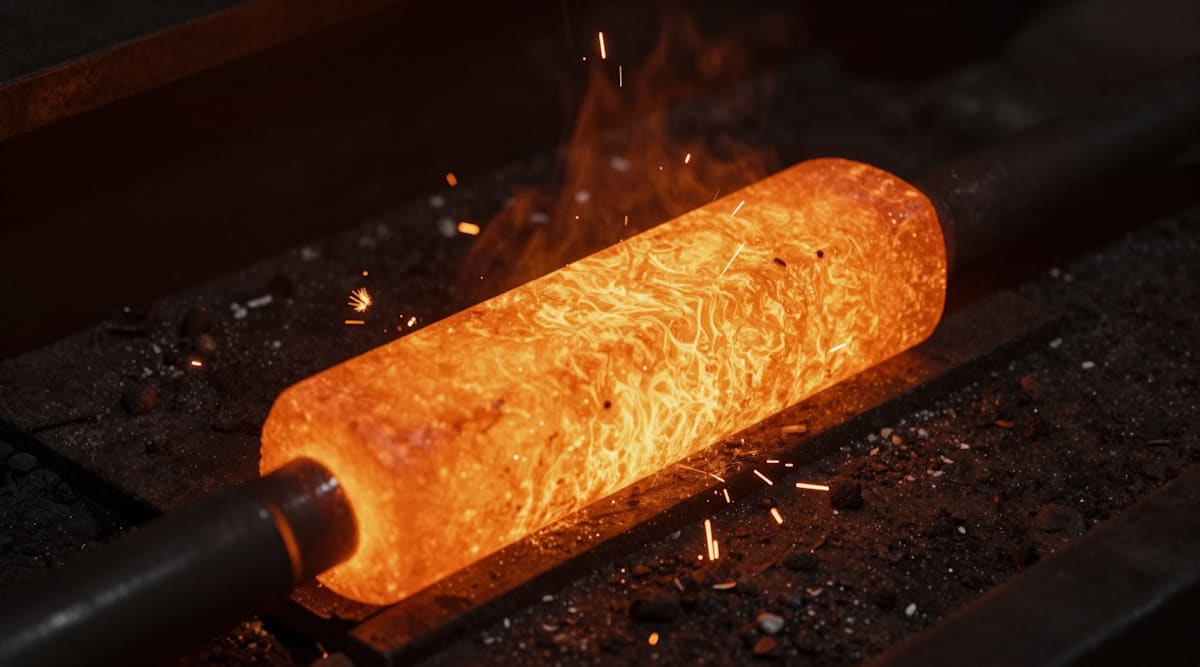
The Greek word James uses for “troubles” is peirasmois. It means trials, testings, proving grounds. Not minor inconveniences. Not a difficult quarter or a frustrating board meeting. Peirasmois carries the weight of something designed to test whether you are made of what you claim. It is the metallurgist’s fire. The assayer’s furnace. The quality control that separates what is genuine from what is counterfeit.
Here is what James demands of the leader. He does not say endure the trial. He does not say survive it. He says consider it. That word, “consider,” is the Greek hegeomai. It means to lead your mind to a conclusion. It is a governance word. James is telling you to govern your own assessment of the crisis. Do not let the crisis define itself. You define it. You are the one who decides what this trial means, and James instructs you to lead your thinking toward joy.
This is not positive thinking. This is not “look on the bright side.” James gives the reason in verse 3: “when your faith is tested, your endurance has a chance to grow.” The Greek word for endurance is hupomone. It does not mean passive waiting. Hupomone means remaining under. Standing your ground when everything in you wants to run. It is the decision to stay in the room when the conversation gets hard. It is the refusal to quit in the season when quitting makes perfect sense to everyone watching.
Endurance is the one leadership quality that cannot be faked. You can fake confidence in a meeting. You can fake vision in a keynote. You can fake empathy in a one-on-one. You cannot fake endurance. It only shows up after the long season, after the repeated pressure, after the fire that does not let up. Your team knows the difference between a leader who is performing composure and a leader who is actually standing. Endurance is not an act. It is evidence.
James says trials produce this. Not comfort. Not success. Not the absence of problems. Trials. The thing every leader spends energy trying to avoid is the thing God uses to build the one quality that makes leadership credible.
Here is where this verse confronts the way most leaders operate. We treat trials as interruptions. Something broke the plan. Someone derailed the strategy. The market shifted, the key hire left, the board lost confidence, the project failed. The instinct is to fix it, manage it, contain the damage, and get back to the plan as fast as possible. The trial is a problem to be solved. The sooner it is solved, the sooner real leadership can resume.
James says the trial is the real leadership. The trial is not an interruption of your development. It is your development. The fire is not keeping you from becoming the leader you need to be. The fire is how you become the leader you need to be. Every season you survived you thought was wasted, every failure you endured you assumed was meaningless, every crisis that seemed to accomplish nothing except costing you sleep and confidence: James says those are the moments your endurance was growing. The fruit was forming underground where no one could see it, including you.
The confrontation cuts deeper than scheduling. Most leaders ask for the fire to stop. James says ask for the endurance to grow. Most leaders measure a good season by the absence of trials. James measures a mature leader by the presence of endurance. We want resolution. God wants formation. We want the crisis to end. God wants the crisis to produce something in us that nothing else can produce. The gap is not a misunderstanding. It is a fundamental difference in what success looks like.
This does not mean you pursue suffering. It does not mean you ignore pain or pretend the trial does not hurt. James does not say enjoy your trials. He says consider them an opportunity. The joy is not in the pain. The joy is in what the pain produces. It is the joy of the athlete who looks back at the brutal training season and recognizes that the misery built the capacity that won the race. You do not enjoy the training while it is happening. You recognize its purpose.
The practice for this week requires honesty. Identify the trial you are in right now. Not a past trial. Not a theoretical one. The current one. The situation that is costing you sleep, that is testing your patience, that is pressing on the exact place where you feel weakest. Now ask this question: what endurance is this building in me? Do not ask when it will end. Do not ask why it is happening. Ask what it is producing. James says it is producing hupomone, the capacity to remain under pressure without breaking. That capacity will define your leadership long after this specific trial is forgotten.
If this month’s study has been valuable to you, the paid study guide coming at the end of April will give you the structure to keep going. Thirty verses organized by category, study questions for each one, and a five-day small group discussion guide. It is designed for the leader who wants to move from reading about Scripture to studying under it.
Tomorrow we turn to Isaiah 40:31, where the prophet makes a promise to the leader who is exhausted: “Those who trust in the LORD will find new strength. They will soar high on wings like eagles…” (Isaiah 40:31, NLT). The promise is not that God removes the weight. The promise is that He gives you new strength under it. Having studied what trials produce today, tomorrow we study what God provides in the middle of them.
Leadership Challenge: What trial are you currently enduring that you have been treating as an interruption rather than an investment? If endurance is the one leadership quality that cannot be faked, what is this season building in you that comfort never could?
I write about leadership at the intersection of timeless principles and modern workplaces. Follow for weekly insights on building teams that actually work. For more articles like this consider subscribing to my Substack at: https://christianleadership.now